What is the impact of signal integrity on contract electronic assembly performance?

signal integrity on contract electronic assembly performance
Signal integrity is a critical aspect of contract electronic assembly performance, playing a significant role in ensuring reliable operation and maintaining data integrity in electronic devices. Signal integrity refers to the ability of a signal to propagate through a circuit or transmission medium without distortion or degradation. It encompasses various factors such as signal quality, impedance matching, noise immunity, and signal integrity analysis. The impact of signal integrity on contract electronic assembly performance is profound and can affect the functionality, reliability, and overall quality of electronic devices.
One of the primary impacts of signal integrity on contract electronic assembly performance is its influence on data transmission accuracy and reliability. In high-speed digital communication systems, maintaining signal integrity is crucial for ensuring that data is transmitted accurately and received correctly by the intended recipient. Signal degradation or distortion can lead to data errors, packet loss, or communication failures, compromising the performance and reliability of electronic devices.
Moreover, signal integrity issues can result in timing errors and jitter, which can adversely affect the operation of electronic devices, particularly in applications with stringent timing requirements. Timing errors can lead to synchronization problems, data corruption, and system instability, causing intermittent or unpredictable behavior in electronic assemblies. By ensuring proper signal integrity, designers can minimize timing errors and jitter, thereby improving the overall performance and reliability of electronic devices.
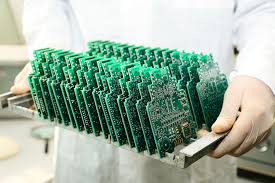
What is the impact of signal integrity on contract electronic assembly performance?
In addition to data transmission accuracy and timing stability, signal integrity also impacts the susceptibility of electronic devices to electromagnetic interference (EMI) and radio frequency interference (RFI). Poor signal integrity can make electronic devices more vulnerable to external noise sources, leading to signal degradation, crosstalk, and electromagnetic compatibility (EMC) issues. By enhancing signal integrity through proper layout, shielding, and filtering techniques, designers can improve the noise immunity of electronic devices and reduce the likelihood of interference-related performance issues.
Furthermore, signal integrity plays a crucial role in power distribution and management within electronic assemblies. Voltage fluctuations, ground bounce, and power rail noise can all impact the performance and reliability of electronic devices, particularly in high-speed or high-current applications. Maintaining signal integrity helps to minimize power-related noise and ensure stable power delivery to critical components, thereby enhancing the overall performance and efficiency of electronic assemblies.
Moreover, signal integrity impacts the design and performance of analog and mixed-signal circuits, including analog-to-digital converters (ADCs), digital-to-analog converters (DACs), and sensor interfaces. Inaccurate or distorted signals can affect the precision, linearity, and dynamic range of analog circuits, leading to measurement errors or reduced sensor sensitivity. By optimizing signal integrity through proper layout, grounding, and filtering techniques, designers can ensure accurate analog signal processing and improve the overall performance of electronic devices.
In conclusion, signal integrity plays a crucial role in contract electronic assembly performance, influencing data transmission accuracy, timing stability, noise immunity, power distribution, and analog circuit performance. By addressing signal integrity issues through proper design, layout, and analysis techniques, designers can enhance the reliability, functionality, and overall quality of electronic devices. As electronic devices continue to become more complex and interconnected, ensuring proper signal integrity will remain a critical consideration in contract electronic assembly manufacturing.