quality of flexible circuit board
Ensuring the quality of flexible circuit boards is paramount to guaranteeing their reliability, durability, and performance in diverse applications ranging from consumer electronics to aerospace and medical devices. Rigorous testing procedures are employed throughout the manufacturing process to identify and rectify potential defects, validate adherence to specifications, and uphold industry standards. Let’s delve into the testing procedures that safeguard the quality of flexible circuit boards and ensure they meet the highest standards of excellence.
The first stage of testing begins with incoming inspection, where raw materials and components undergo thorough examination to verify their quality and suitability for use in flexible circuit board fabrication. This includes inspection of substrate materials, conductive traces, adhesives, and surface finishes to ensure compliance with specifications and standards. Any deviations or discrepancies are promptly addressed to prevent downstream issues and maintain the integrity of the manufacturing process.
During fabrication flexible circuit board, various in-process tests are conducted to monitor and control critical parameters that affect the quality of flexible circuit boards. These tests may include dimensional measurements, adhesion tests, impedance testing, and electrical continuity checks to verify the integrity of conductive traces, vias, and interconnections. Additionally, visual inspection and automated optical inspection (AOI) systems are employed to detect defects such as missing traces, solder bridges, and misalignments, ensuring the accuracy and consistency of the manufacturing process.
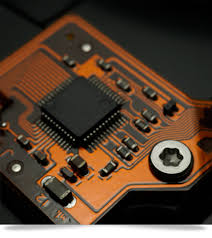
What testing procedures ensure the quality of flexible circuit board?
Once the flexible circuit boards are fabricated, they undergo comprehensive electrical testing to validate their functionality and performance. This typically involves electrical continuity testing, insulation resistance testing, and circuit verification to ensure that all connections are intact, and electrical parameters meet design specifications. Advanced testing techniques, such as flying probe testing and automated test equipment (ATE), enable rapid and accurate assessment of circuit integrity and functionality, facilitating efficient troubleshooting and defect identification.
Environmental testing plays a crucial role in evaluating the robustness and reliability of flexible circuit boards under real-world operating conditions. Environmental stress screening (ESS) tests subject the boards to temperature cycling, thermal shock, humidity exposure, and vibration testing to simulate harsh environmental conditions and identify potential weaknesses or failure modes. These tests help assess the resilience of flexible circuits to mechanical stress, thermal cycling, and environmental factors, ensuring their suitability for use in demanding applications.
In addition to functional and environmental testing, adherence to industry standards and certifications is essential for validating the quality of flexible circuit boards. Compliance with standards such as IPC-A-600 for acceptability of printed boards and IPC-6013 for flexible printed circuit boards ensures consistency, reliability, and interoperability with other electronic components and systems. Moreover, certifications such as ISO 9001 for quality management systems and AS9100 for aerospace applications provide further assurance of adherence to stringent quality requirements and continuous improvement processes.
Continuous monitoring and feedback mechanisms are integral to maintaining and improving the quality of flexible circuit boards over time. Statistical process control (SPC) techniques, quality audits, and customer feedback mechanisms enable manufacturers to identify trends, analyze root causes of defects, and implement corrective and preventive actions to address quality issues proactively. By fostering a culture of continuous improvement and quality excellence, manufacturers can drive advancements in flexible circuit board technology and meet the evolving needs of customers and industries.
In conclusion, a comprehensive array of testing procedures ensures the quality of flexible circuit boards, safeguarding their reliability, durability, and performance in diverse applications. From incoming inspection and in-process testing to functional testing, environmental testing, and adherence to industry standards, each step in the testing process plays a vital role in validating the integrity and quality of flexible circuits. By embracing rigorous testing protocols and continuous improvement initiatives, manufacturers can uphold the highest standards of quality and deliver superior products that exceed customer expectations.