Virtual Event Platform Example
The best virtual event platform is one that is designed to meet the needs of your audience. Whether your event is an online seminar, interactive workshop, or a conference call, it should provide participants with the tools they need to engage with speakers and other attendees. This includes things like chat, video conferencing, screen sharing, and polling and surveys. It should also allow for easy streaming, recording, and playback. Some platforms will even let you add your logo and company colors to create a customized experience for your attendees.
The biggest challenge in hosting a virtual event is keeping your audience engaged. In-person events struggle with this as well, but digital gatherings face an extra level of difficulty. Attendees can log off or click away from the program at any time, so it is crucial to keep them active and involved throughout the event. One of the easiest ways to do this is by incorporating Q&A sessions into your event.
A good virtual event platform will also allow for live polling and surveying to keep your attendees interested. Most online seminars will use this to gauge how well the information is being understood, while workshops may ask attendees questions about specific topics or challenges. Whatever the purpose, a good event platform will let you set up a series of questions that can be used before, during, and after your event.
Another great way to encourage engagement is through networking tools. Most virtual events include social media components that help attendees connect with other attendees and share their experiences. These features can be a great way to boost brand awareness and encourage attendees to visit your booth at the next event they’re attending.
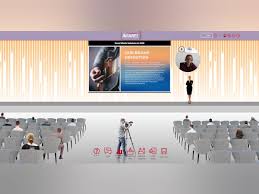
What is a Virtual Event Platform Example?
Lastly, a good virtual event platform will have customizable event pages and an easy-to-use conference hub. A streamlined conference hub can make the process of registering, downloading content, and getting support easier for both attendees and organizers alike. It will also give the appearance of a more professional, polished event that will attract more people to your program.
When choosing a virtual event platform, look for a system that has high streaming quality and is compatible with your current technology. Attendees don’t have patience for poor streaming, and they will quickly switch to another option if they aren’t able to follow along. Ensure your chosen platform is optimized for both PCs and mobile devices to keep your audience happy.
vFairs is a great option for a virtual event platform because it offers customizable avatars, which can make the event feel more realistic. This can be particularly useful if you are holding a conference for employees from different departments. For example, you can set up personalized booths for each department, so that your staff will be able to easily find the information they need. In addition, vFairs lets you customize your event’s homepage and create a separate registration page for guests. This is especially helpful for events with a large number of participants.
Customization is another important aspect of virtual event platforms, as organizers can often choose themes, branding elements, and layouts that reflect the event’s goals or the brand’s identity. Security measures, like user authentication and data encryption, are also essential to ensure the protection of attendee information.